This is a question I see ALL of the time on Facebook mom groups.
“My child is a mouth breather at night. How can I help them?”
“My child always has their mouth open at rest. What do I need to do?”
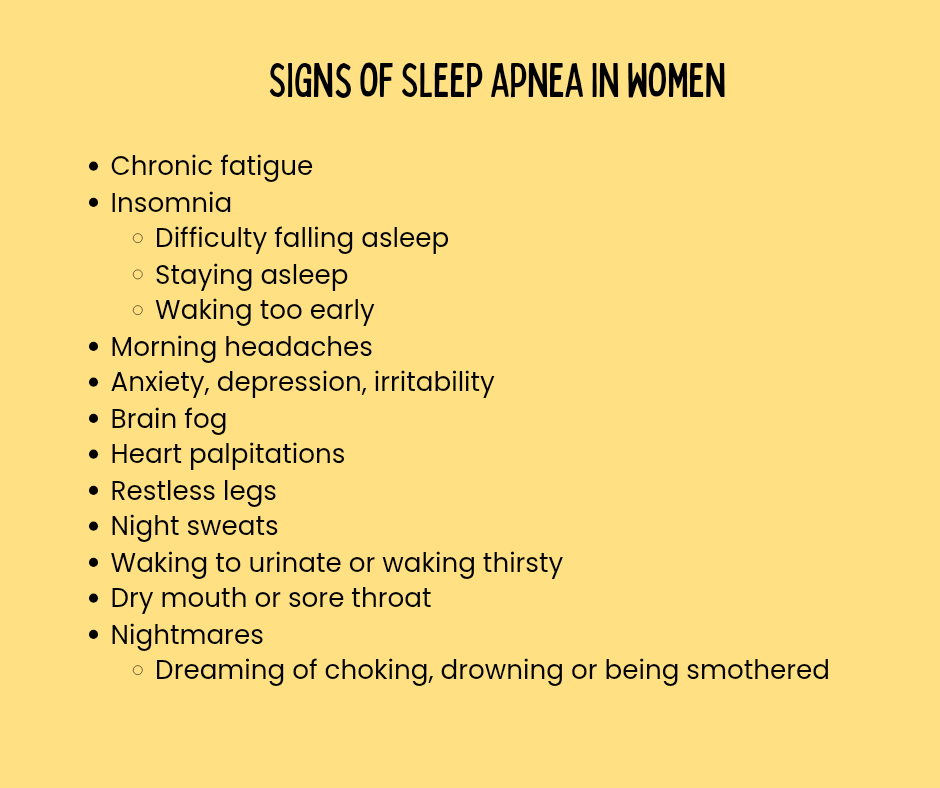
Or maybe it's you that breathes through your mouth and you notice “I wake up in the morning with a dry throat and I need help.”
Why should I care about open mouth posture?
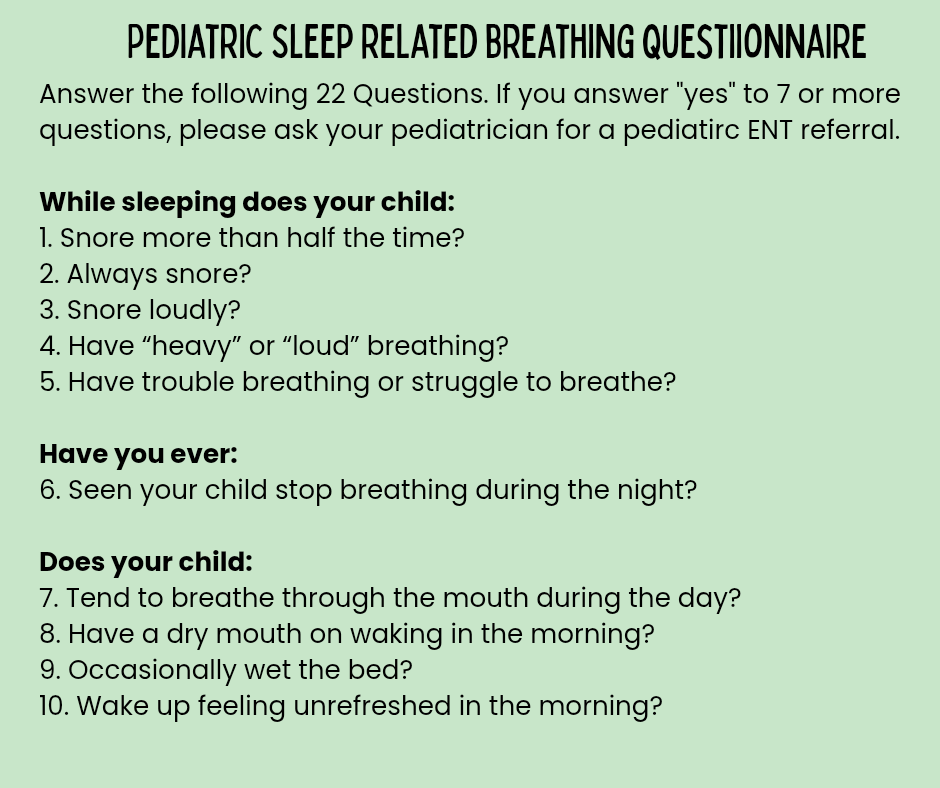
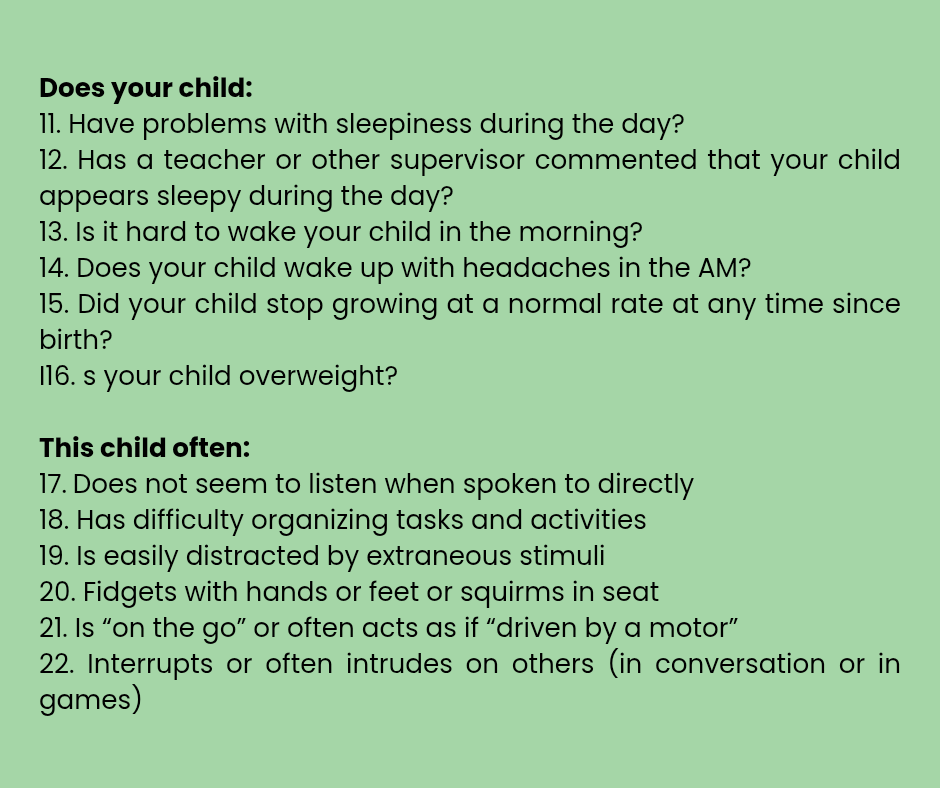
First, let's have a quick chat as to why we care about open mouth posture. When we are at rest and the lips are open and the tongue sits low, the muscles of the face and neck lose their general tone. When the mouth stays open during sleep, the tongue tends to drop down and back, causing the jaw to relax backwards and narrow the airway…which is a fancy way of saying it can cause obstructive sleep apnea or sleep disordered breathing (SDB). One study actually showed the number one predictor of SDB in children isn't snoring or daytime fatigue, but breathing with your mouth open! In adults we frequently worry about SDB because it is linked to high blood pressure, heart disease (heart attack or strokes), daytime fatigue, and diabetes. In kids, those risks look more like behavioral concerns (ADHD, sensory seeking, anxiety) and cognitive risks where kids don't excel in school because of their sleep deprivation.
How can I help with open mouth posture?
Now, back to the main topic – What can we do to help with open mouth posture? The answer is anything but easy because it depends! Instead of giving you one way to treat open mouth posture, I’m going to challenge you to look at all aspects of it to make sure you are finding the root cause(s) for long-term success.
Ear Infections and Teething
If your child was recently sick with an ear infection or they are teething, they may have temporary open mouth posture. This is because the nerve that goes to the jaw actually runs right in front of the ear and when there is pressure in the region of the nerve, it can cause discomfort in other areas. Thankfully this is usually short-lived and will go away after a few days to two weeks.
ENT Conditions: Nasal Polyps, Swollen Turbinates, Deviated Septum, Enlarged Tonsils & Adenoids
All of these conditions can make it difficult for someone to breathe through their nose. It's like trying to blow through a straw when someone is holding it shut…the air can't make its way through the airway system. The body prioritizes the ability to breathe and in these cases, open mouth breathing is a safety mechanism. It allows a person who can't breathe through the nose (or the area between the nose and upper throat) to continue to breathe. This is where an ENT evaluation is important. They can help you determine if nasal steroid sprays, antihistamines, decongestants or surgery may be the best option for you. If you have enlarged tonsils and adenoids, I highly recommend reading the rest of this blog as swollen tonsils and adenoids is usually a symptom of something else going on -- like allergies, reflux or oral ties. I am NOT saying you shouldn't look into tonsil and adenoid removal as there are times they can be so enlarged that it can cause severe obstructive sleep apnea. If this is the case, the question isn't tonsil and adenoid removal OR expansion and myofunctional therapy, the question is who are the best providers to get your child breathing and sleeping again.
Allergies, Asthma, and Histamine
Allergies, asthma and histamine intolerance can frequently cause open mouth breathing. All of these can increase inflammation of different parts of the airway, making it difficult to transfer air from the mouth to the lungs. Once again this is a protective mechanism and it's important to work with an allergy specialist to help you determine what your allergies are and ways to manage, avoid or eliminate them.
Reduce food allergens
Track what you respond poorly to
Even if you aren't allergic, some people notice that they produce more mucus after eating dairy products or artificial sweeteners. I will say this isn't well supported by research, but the number of people who notice improvement when reducing dairy means I at least like to mention it even if it isn't fully supported
Minimize allergens around the house
If you are allergic to dust mites or nature (grass, trees, pollen), then dusting, vacuuming and mopping regularly can help. It's important to use a damp cloth or microfiber to trap the dust and remove it from being airborne.
Removing clutter, knickknacks, stuffed animals, curtains and blinds can all reduce dust
Use a HEPA filter - my personal favorite is MedifyAir as they are high quality and less expensive than most others
Wash bedding in hot water weekly
It's equally important what you wash your sheets in! It's important to limit sulfates, dyes and fragrances in laundry detergent. Products like Tide, Gain, Febreze and odor eliminators can all cause nasal irritation. Sometimes switching your laundry detergent can help decrease that irritation. Some options you might consider include: Molly's Suds, ECOS, Charlie's Soap, Biokleen, 9 Elements
Control humidity
Feel free to laugh at this one if you are in Corpus Christi with 90% humidity. You probably won't be able to get between the generally recommended 30-50% humidity without a full-time dehumidifier (or 4), but it can be helpful to reduce some of the humidity to help with congestion
If you're up North and in a low humidity climate in the winter where the heater is running and it is super dry, then you might actually need a humidifier!
Hormones aka Track your Cycle
Runny noses can often worsen during the luteal phase (~10-15 days before period) thanks to hormones. This leads to increased obstruction and less airflow through the nose. If it is severe, some providers will write a prescription for an anti-cholinergic nasal spray like Atrovent to help decrease the runny nose. It's important to note that it has only been shown to help with runny noses and does not help with congestion, sneezing or postnasal drip. It can also be very drying so it shouldn't be used regularly or even more than once a day.
If you notice any other symptoms (sleep issues, nightmares, itchiness, PMDD) during the late luteal phase, then I recommend reaching out to myself or a functional medicine provider for 1:1 individualized support.
Reflux
It’s not always GERD or a burning sensation! Postnasal drip without nasal blockage and sneezing can be reflux. Chronic throat clearing, hoarseness, feeling of something in your throat (frequent swallowing), persistent coughing can also be a sign of reflux. Reflux is another one of those things that if you notice these symptoms, I recommend reaching out. 10-40% of people don't respond to proton pump inhibitors because it's non-acid reflux which is treated differently. I could write an additional blog on the causes of reflux and treatment options, but it's important to know that treatment can include anything from diet, breathing, exercise, oral motor, nervous system regulation to supplements to supporting acid production at the right time and digestive support to ensure the body is breaking everything down when it should.
Torticollis and Plagiocephaly
This is an oversimplification, but torticollis and plagiocephaly are both frequently caused by a lack of motion in the neck. The easiest way to explain how torticollis (head tilt) and plagiocephaly (flat spot on the head) can cause open mouth posture is by having you run through a little exercise. First, tilt your head to the left and then look to the right. Check in with how the area on the underside of your jaw/upper throat feels. Frequently you will feel tension in that area and opening your mouth will relax that. Next, keep your head straight but look down as far as you can. We frequently see this in children who have a flat spot or bald spot on the back of their head near their neck, this is also the child that is hard to clean under the chin. This causes a lot of tension in that same area that is relieved when the mouth opens. Finally, tilt your head up and look at the sky and again notice how the area under your jaw feels. In little kids, this may be the child that always looks like they are looking up or the child that flings their head back in order to roll. Frequently this feels like a pulling/tension sensation under the neck. All of these sensations can cause open mouth posture as a way to relieve comfort from a neck that has lost its full range of motion. If you think this is your child, I highly recommend a chiropractor, PT or OT trained in pediatric motor development for a full assessment.
Oral Ties
I hinted to oral ties (tongue ties) when I mentioned oral motor under reflux, but it's important to note that oral ties are one reason a person might have open mouth posture. Using a similar experiment as before, gently pull the area on the underside of your jaw down and back. That's what happens when our tongue isn't able to freely move. At rest and during sleep, your tongue should be gently rested on the roof of the mouth. When someone has a tongue tie, the jaw shifts backwards from the tongue tension and the mouth opens. If you think this might be the cause for you or your child's open mouth posture, I recommend finding a myofunctional therapist and airway focused dentist/ortho in your area to help. They can help make sure there is enough space in your mouth for your tongue to rest on the roof and release the tongue so it has full range of motion.
Low Tone and Hypermobility
If your child has low tone or you have a family history of hypermobility, you may notice open mouth posture. That's because both of these require a greater baseline of stability to remain closed. The best thing you can do for this is to see a myofunctional therapist, chiro, PT or OT trained in pediatrics to help support the strength and coordination needed to have closed mouth posture.
What can we do in the short term to promote nasal breathing?
Nasal sprays for open mouth breathing:
Intranasal corticosteroid: Not so fun fact, it can take 21 days for new nasal steroids to be effective in nasal tissue. This is important so you can have realistic expectations on whether or not it is helping. In general, it's recommended you try them for 30 days to know if there is a difference
Antihistamine nasal spray: allergic rhinitis + sneezing, itchy eyes. This is not great for nasal congestion and can be gross tasting so a lot of children will not tolerate this
Nasal saline: great for kids, keeps nasal passages clear and reduces crusty dry noses
Xylitol: great to reduce bacteria and may reduce ear infection frequency. This is great because it can be used 2-3x/day
What about nasal decongestants? Nope. Not without a provider and only short-term because it can cause dependency/addiction. It works fast and effectively when you can't sleep with a cold and can help with nosebleeds but requires further workup!!
Mouth tape for open mouth breathing?
Please consider that question mark bolded, italicized and highlighted because it is important! While mouth tape can prevent open mouth posture, it's important to evaluate the risks. If you have any upper airway restriction or obstruction, mouth taping can limit your ability to breathe. I do NOT recommend mouth taping without specific recommendations from a provider who has tested to make sure you can breathe through your nose.
Herbs for open mouth breathing
I highly recommend working with a provider when it comes to herbs. There are some herbs like quercetin, NAC, butterbur, stinging nettle and supplements like Vitamin D, zinc, omega-3s that can help with allergies and inflammation. HOWEVER, they are not for everyone. For instance, Vitamin D should be checked with other fat soluble vitamins and be given with fats for full absorption. Zinc is great but too much can cause copper deficiency because they compete for absorption. As much as I love quercetin, it should be avoided in people on blood thinners, estrogen dependent breast cancer or kidney disease. It can also cause migraines and brain fog if added too quickly. NAC is wonderful to help with histamine and inflammation but for someone with issues metabolizing sulfur or gut dysbiosis, it can actually cause pain and burning sensation in the GI tract. All of this to say, help through herbs and supplements is possible, but just because something is natural doesn't mean it is harmless. It is important to work without someone who understands side effects, benefits and risks to help you safely navigate adding the, to support sleep.
Essential oils for open mouth breathing
In older children (over 8) and adults, using peppermint, eucalyptus, thyme and rosemary essential oils under the nose can be helpful for opening the airway to make breathing easier. My personal favorite is using Olbas oil on a pillowcase or using the Olbas inhaler before bed. For younger children, some essential oils like peppermint and eucalyptus can have a reciprocal response…meaning that instead of opening the airway it can actually close it. This is why it's important to not immediately lather kids up with Vicks or essential oils before you know what is safe for your specfic child.
Nasal Strips for Open Mouth Breathing
This is another area where we don't have a lot of research to support that nasal strips improve sleep, but we do have a lot of people singing their praises. Nasal strips like Breathe Right help to open the nasal passages. We also have magnetic nasal strips like Intake Breathing and the mute nasal dilator which both open the nasal airway. If you have inflamed turbinates or allergies or a deviated septum, these can be temporary supports that improve sleep quality while you wait for treatment.
Facial Cupping and Acupuncture
Once again, the research on cupping isn't where I would like for it to be, but quite a few people will say they breathe easier. On the other hand, acupuncture is getting more and more information to suggest it can be helpful with sleep disordered breathing, and can decrease mucosal swelling. If you are looking for support to help open the airway so your mouth can close, acupuncture may be a great option to help.
References
Lv ZT, Jiang WX, Huang JM, Zhang JM, Chen AM. The Clinical Effect of Acupuncture in the Treatment of Obstructive Sleep Apnea: A Systematic Review and Meta-Analysis of Randomized Controlled Trials. Evid Based Complement Alternat Med. 2016;2016:8792167. doi: 10.1155/2016/8792167. Epub 2016 Apr 4. PMID: 27127530; PMCID: PMC4834396.
Albrecht T, Wu S, Baumann I, Plinkert PK, Sertel S. Measurable impact of acupuncture on mucosal swelling of inferior turbinates: a prospective, randomized, controlled study. Acta Otolaryngol. 2015 Feb;135(2):169-76. doi: 10.3109/00016489.2014.973533. PMID: 25578128.